Improving Patient Outcomes with Custom BI Solutions for Healthcare begins with transforming fragmented clinical, operational, and financial data into unified, actionable intelligence. As healthcare systems manage growing volumes of complex information from electronic health records, diagnostic platforms, revenue cycle systems, and patient-generated sources, the ability to convert data into timely insights becomes essential for delivering safe, efficient, and value-driven care. Custom BI solutions for healthcare provide the analytical infrastructure that integrates disparate datasets, supports evidence-based decision-making, and aligns institutional performance with measurable quality improvements. By embedding advanced analytics, predictive modeling, and real-time reporting into daily workflows, healthcare organizations strengthen care coordination, enhance operational transparency, and create a sustainable foundation for continuous improvement.
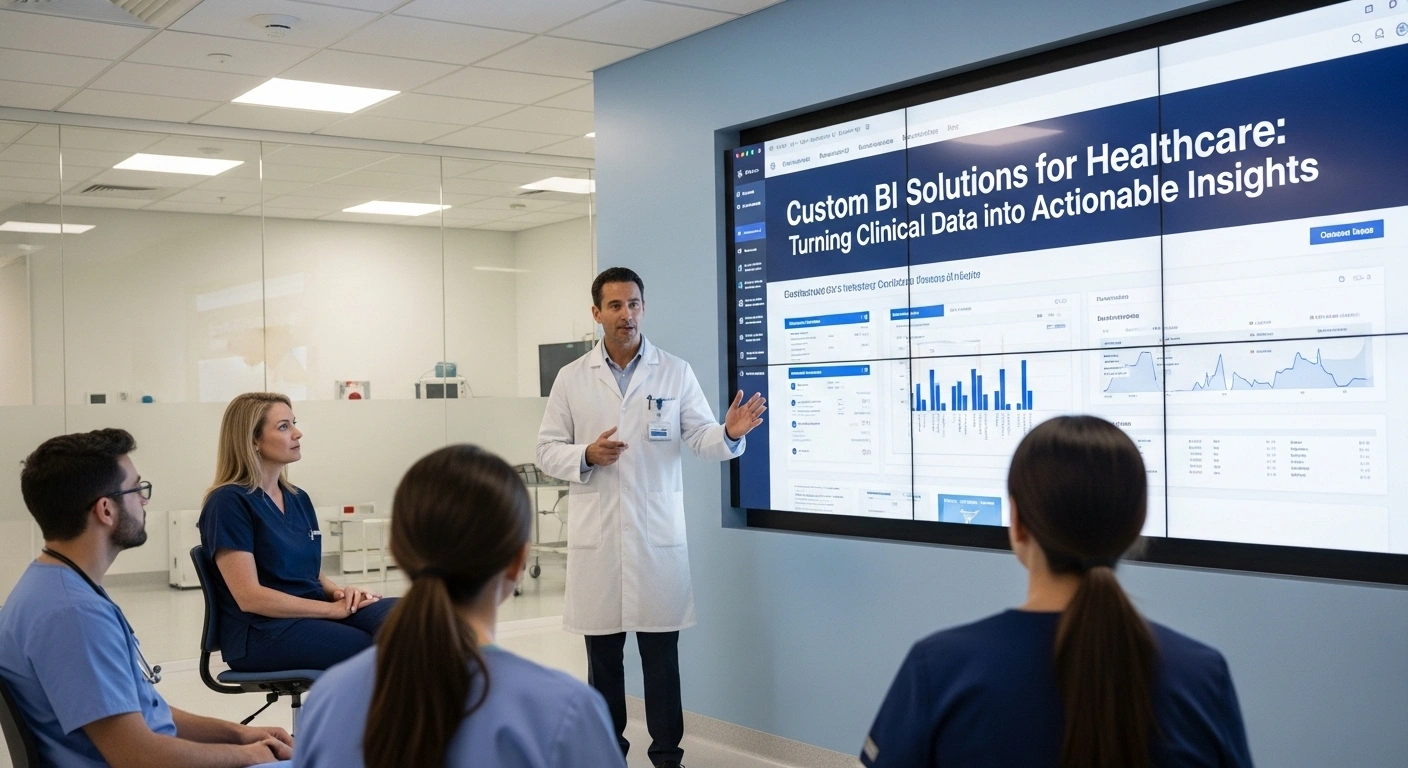
Custom BI Solutions for Healthcare: Turning Clinical Data into Actionable Insights
Healthcare organizations transform fragmented clinical, operational, and financial data into unified intelligence through Custom BI Solutions for healthcare, thereby enabling measurable improvements in patient outcomes and system performance. Organizations integrate diverse data streams from electronic health records, laboratory systems, imaging repositories, pharmacy platforms, and billing applications into centralized data warehouses or cloud-based environments, consequently creating a reliable foundation for longitudinal analysis and value-based care strategies. Standardized terminologies and harmonized structured and unstructured datasets enhance clinical transparency, thus allowing providers to identify treatment patterns, utilization trends, and outcome variations across populations.
Healthcare institutions support evidence-based decision-making by embedding advanced analytics, benchmarking tools, and performance metrics into clinical and administrative workflows, meanwhile aligning professional practice with regulatory requirements and reimbursement models. Quality improvement initiatives translate raw data into actionable insights related to readmission rates, infection control, medication safety, and patient satisfaction, therefore linking analytics directly to measurable care enhancements. Financial management strategies correlate cost drivers with clinical outcomes, subsequently revealing opportunities to reduce inefficiencies while maintaining high standards of care.
Scalable technological architectures foster organizational agility by adapting to evolving compliance mandates and emerging technologies, including artificial intelligence and machine learning applications. Robust data governance and security frameworks safeguard sensitive health information, thereby reinforcing institutional trust and ensuring adherence to privacy regulations. Comprehensive population health management efforts identify disparities and care gaps across demographic segments, ultimately confirming that Custom BI Solutions for healthcare convert complex clinical data into actionable intelligence that supports sustained improvements in patient outcomes.
Integrating Electronic Health Records (EHR) with Custom Healthcare BI Platforms
Healthcare organizations enable seamless data exchange by connecting EHR systems with analytics infrastructures through interoperable interfaces and standardized protocols, thereby unlocking the full potential of Custom BI Solutions for healthcare within clinical environments. Integrated data repositories consolidate patient demographics, diagnostic histories, medication records, laboratory results, and physician documentation into structured formats, consequently reducing data silos and improving longitudinal visibility across care episodes. Data validation rules, cleansing mechanisms, and normalization processes improve accuracy, thus ensuring that insights derived from EHR data remain reliable and clinically meaningful.
Recognized interoperability standards such as HL7 and FHIR facilitate secure bidirectional communication across healthcare entities, meanwhile supporting consistent data exchange. Continuous extraction of real-time and historical information from EHR workflows strengthens care quality monitoring, therefore enabling organizations to evaluate adherence to clinical guidelines and established quality benchmarks. Automated data aggregation and reporting functions reduce administrative burden, subsequently allowing clinicians to allocate more attention to direct patient care.
Advanced analytical models correlate EHR-derived clinical variables with outcome indicators, thereby supporting personalized treatment strategies through Custom BI Solutions for healthcare. Operational management systems align scheduling, resource allocation, and discharge planning data with performance dashboards, consequently optimizing throughput and minimizing systemic bottlenecks. Strategic planning processes transform integrated EHR data into trend analyses and scenario projections, ultimately reinforcing the contribution of Custom BI Solutions for healthcare to improved patient outcomes and sustainable organizational performance.
Real-Time Data Analytics for Faster Clinical Decision-Making
Healthcare systems accelerate clinical responsiveness by leveraging streaming data architectures that process patient information at the point of generation, thereby reinforcing the impact of Custom BI Solutions for healthcare on timely medical interventions. Continuous data capture mechanisms record vital signs, monitoring device outputs, laboratory updates, and admission records in near real time, consequently enabling clinicians to identify anomalies before complications intensify. Embedded automated alerts and threshold-based notifications within clinical dashboards enhance situational awareness, thus supporting rapid assessment and escalation pathways.
Early warning detection systems reduce adverse events by identifying indicators for sepsis, cardiac instability, or medication-related risks, meanwhile integrating analytical outputs directly into established care protocols. Ongoing analysis of patient flow metrics strengthens emergency department performance, therefore minimizing waiting periods and improving triage prioritization. Correlation of intraoperative data with predictive risk assessments improves surgical and intensive care oversight, subsequently facilitating proactive adjustments to treatment plans.
Real-time monitoring of bed occupancy, staffing distribution, and equipment utilization increases operational transparency, thereby enhancing coordination across clinical units. Continuous alignment of reimbursement and quality performance indicators with updated metrics reduces delays in reporting and corrective action, consequently strengthening accountability. Iterative recalibration of analytical models based on documented intervention outcomes fosters continuous improvement cycles, ultimately demonstrating that Custom BI Solutions for healthcare connect real-time analytics with measurable gains in patient safety and clinical effectiveness.
Healthcare Data Visualization Dashboards for Physicians and Administrators
Healthcare organizations translate complex datasets into structured visual representations by designing role-specific dashboards that highlight key performance indicators, thereby strengthening the practical application of Custom BI Solutions for healthcare across organizational levels. Visual display systems present clinical metrics such as mortality rates, readmissions, and treatment adherence within coherent formats, consequently enabling rapid interpretation and comparative evaluation. Interactive filtering functions permit exploration by department, timeframe, or patient cohort, thus deepening contextual understanding without generating informational overload.
Financial analytics dashboards enhance administrative oversight by visualizing reimbursement distributions, expenditure patterns, and cost-per-case indicators, meanwhile linking operational efficiency with measurable quality outcomes. Consolidated clinical interfaces support physician decision-making by displaying patient-specific risk assessments, medication histories, and diagnostic trajectories, therefore reducing cognitive burden during consultations. Alignment of dashboard indicators with strategic objectives and regulatory benchmarks improves institutional accountability, subsequently promoting transparency in performance monitoring.
Dynamic trend analyses and comparative visual markers highlight emerging risks and performance deviations, thereby enabling timely corrective responses. Shared analytical platforms facilitate multidisciplinary collaboration by synchronizing visual insights across professional teams, consequently reducing fragmentation in communication. Routine integration of visualization tools within governance processes reinforces a data-driven organizational culture, ultimately confirming that Custom BI Solutions for healthcare transform complex information into accessible intelligence that advances patient outcomes.
Predictive Analytics in Healthcare for Early Risk Detection
Healthcare institutions leverage historical and real-time datasets to construct predictive models that anticipate clinical deterioration and chronic disease progression, thereby strengthening the preventive dimension of Custom BI Solutions for healthcare. Comprehensive data analysis of demographic characteristics, comorbid conditions, laboratory parameters, and therapeutic histories identifies individuals at elevated risk for readmission or adverse events, consequently enabling earlier intervention. Risk stratification frameworks enhance preventive care planning by categorizing populations into defined tiers, thus supporting targeted outreach and early intervention measures.
Forecasting models reduce avoidable hospitalizations by anticipating high-risk episodes such as heart failure exacerbations or metabolic complications, meanwhile integrating predictive alerts into clinical workflows. Predictive assessment of adherence barriers and potential adverse drug reactions improves medication management, therefore supporting safer and more precise prescribing practices. Capacity planning tools strengthen resource allocation by estimating future demand for beds, specialist services, and medical equipment, subsequently aligning operational capacity with projected clinical needs.
Continuous refinement of algorithms through updated data inputs and outcome-based feedback mechanisms increases analytical precision, thereby sustaining the reliability of Custom BI Solutions for healthcare in evolving clinical contexts. Transparent model governance structures and bias mitigation strategies promote ethical data stewardship, consequently supporting equitable risk assessment across diverse patient groups. Integration of predictive outputs within care management systems fosters proactive coordination, ultimately translating early risk detection into sustained improvements in patient outcomes.
Improving Care Coordination Through Interoperable BI Systems
Healthcare networks strengthen continuity of care by linking providers through interoperable analytics ecosystems, thereby reinforcing the collaborative capacity of Custom BI Solutions for healthcare in patient-centered service delivery. Unified data platforms integrate information from hospitals, primary care practices, specialty clinics, rehabilitation facilities, and community services, consequently ensuring that comprehensive patient histories remain accessible across care settings. Structured referral monitoring systems enhance oversight of care transitions and follow-up adherence, thus reducing discontinuities that contribute to readmissions.
Shared analytical interfaces facilitate multidisciplinary collaboration by synchronizing care plans, medication profiles, and diagnostic data, meanwhile minimizing duplication and conflicting interventions. Coordinated tracking of long-term therapeutic regimens improves chronic disease oversight, therefore aligning providers around shared outcome objectives. Integration of community-level indicators into patient records supports analysis of social determinants of health, subsequently broadening the scope of coordinated interventions.
Standardized data exchange protocols and automated documentation processes reduce administrative inefficiencies, thereby streamlining communication among participating entities. Cross-provider performance metrics and shared outcome indicators strengthen accountability frameworks, consequently aligning institutional incentives with collective results. Systematic correlation of coordinated interventions with documented outcomes demonstrates measurable improvements in quality and efficiency, ultimately confirming that Custom BI Solutions for healthcare transform fragmented services into cohesive, outcome-oriented care delivery systems.
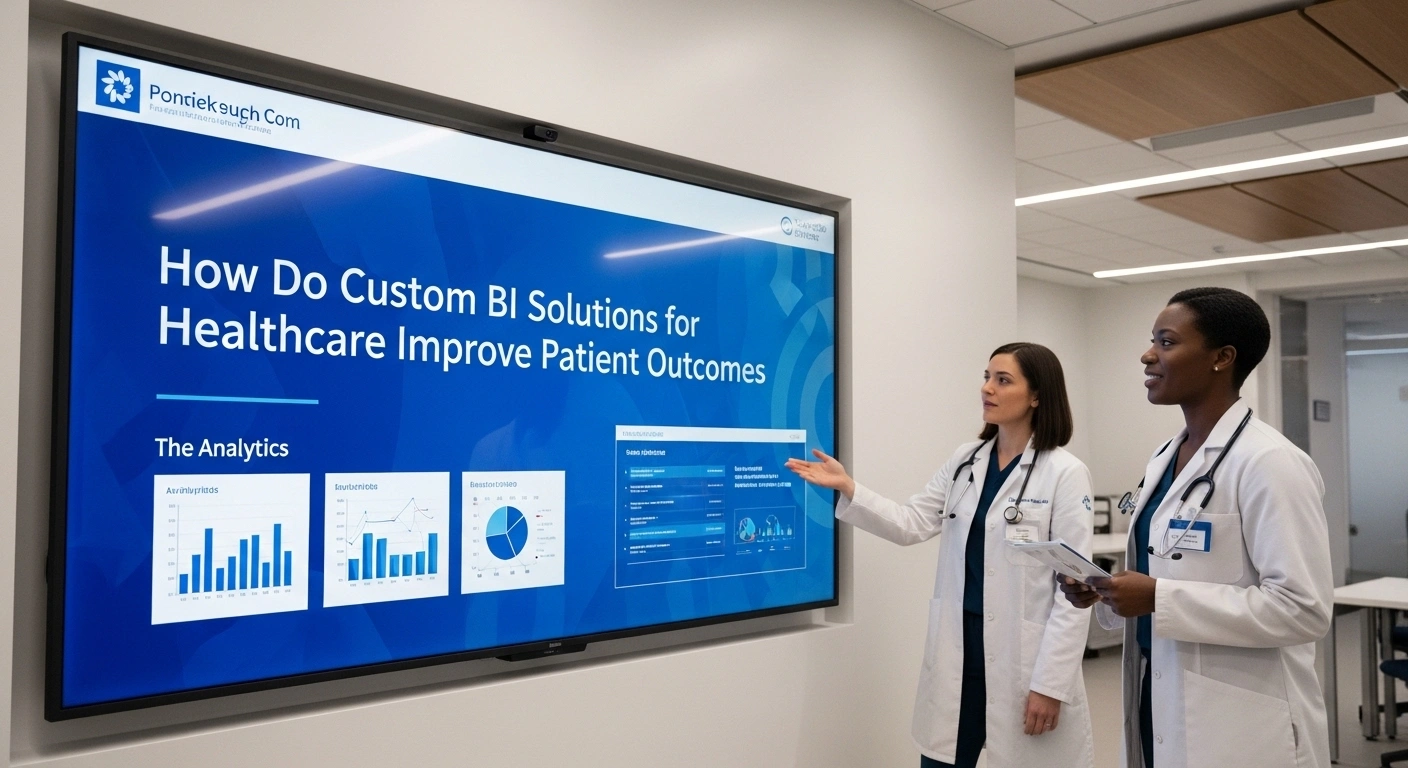
How Do Custom BI Solutions for Healthcare Improve Patient Outcomes?
Healthcare organizations improve care delivery through Custom BI Solutions for healthcare by integrating clinical, financial, operational, and patient-generated data into unified analytical environments, consequently enabling organizations to replace fragmented reporting with coordinated, evidence-based decision-making. Moreover, integrated data architectures connect disparate systems such as electronic health records, laboratory platforms, and billing databases to create comprehensive visibility into patient journeys, which in turn supports more accurate diagnoses and timely interventions. Additionally, advanced analytics platforms transform structured and unstructured data into interactive dashboards and visualizations that reveal trends in treatment effectiveness, patient flow, and resource utilization, thereby aligning clinical priorities with measurable performance outcomes.
Clinical teams enhance responsiveness by embedding predictive analytics within operational workflows, thus identifying patients at heightened risk of complications, deterioration, or readmission before adverse events occur. Furthermore, integrated analytical systems analyze historical and real-time datasets concurrently to generate risk scores and automated alerts that guide care teams toward early intervention, subsequently reducing preventable harm and improving recovery trajectories. In addition, shared information infrastructures strengthen interdisciplinary coordination by providing access to up-to-date patient information and treatment milestones, resulting in fewer communication gaps and more consistent continuity of care.
Healthcare systems support sustained quality improvement by standardizing performance indicators across departments, consequently enabling benchmarking against institutional targets and external standards. Likewise, transparent performance monitoring frameworks promote accountability by linking operational efficiency metrics with clinical outcome measures, reinforcing a culture of continuous improvement. Ultimately, Custom BI Solutions for healthcare function as essential infrastructures that align analytics, organizational strategy, and frontline clinical practice to achieve measurable improvements in patient outcomes.
Using Population Health Management Analytics to Identify Care Gaps
Healthcare organizations analyze population-level datasets through Custom BI Solutions for healthcare to uncover patterns of unmet clinical need, consequently revealing disparities that remain undetected within isolated patient records. Moreover, integrated data platforms aggregate demographic, clinical, and utilization data to stratify populations by risk, which clarifies which cohorts require preventive screenings, chronic disease management, or intensified follow-up. Additionally, longitudinal data integration across health records, claims, and pharmacy systems identifies inconsistencies in adherence to treatment plans, thereby exposing measurable gaps in continuity of care.
Preventive care programs strengthen strategic outreach efforts by monitoring compliance with evidence-based guidelines across defined populations, subsequently identifying deviations such as missed vaccinations, screenings, or follow-up evaluations. Furthermore, analytical models correlate health outcomes with socioeconomic and behavioral variables to contextualize care gaps within broader determinants of health, enabling development of more targeted and equitable interventions. In addition, trend analyses evaluate changes over time to determine whether outreach and engagement initiatives effectively reduce identified disparities, supporting continuous refinement of population health management programs.
Organizational leadership advances alignment by translating analytic findings into performance metrics linked to value-based reimbursement models, consequently integrating population health insights with financial accountability structures. Likewise, embedded reporting outputs within executive and clinical dashboards maintain shared awareness of priority care gaps, fostering collaboration across administrative and clinical leadership. Ultimately, Custom BI Solutions for healthcare reinforce systematic identification and resolution of disparities that directly influence patient outcomes across large populations.
Reducing Hospital Readmissions with Advanced Healthcare Reporting Tools
Healthcare providers leverage Custom BI Solutions for healthcare to examine historical admission patterns and identify predictors of avoidable readmissions, consequently enabling proactive discharge planning and coordinated follow-up care. Moreover, consolidated data ecosystems combine inpatient, outpatient, and post-acute information into comprehensive patient profiles that clarify transitional risks, supporting more effective handoffs between care settings. Additionally, structured dashboards present readmission metrics by diagnosis, service line, and demographic category, thereby identifying systemic factors associated with recurrent hospitalizations.
Transitional care teams strengthen management processes by applying risk stratification models that flag vulnerable patients prior to discharge, subsequently allowing multidisciplinary teams to tailor discharge instructions, medication reconciliation, and monitoring strategies. Furthermore, integrated reporting systems track follow-up appointments and community-based services through care coordination platforms, reducing fragmentation during post-discharge periods. In addition, performance analytics compare real-time readmission rates with established internal and external benchmarks to evaluate outcomes, informing targeted quality improvement initiatives across high-impact clinical areas.
Healthcare organizations enhance financial performance by aligning readmission analytics with value-based reimbursement requirements, consequently reducing penalties associated with excessive rehospitalizations. Likewise, evaluative frameworks correlate discharge education quality indicators and patient engagement measures with subsequent readmission trends to assess intervention effectiveness, supporting iterative protocol refinement. Ultimately, Custom BI Solutions for healthcare contribute to measurable reductions in readmissions while improving patient stability, continuity of care, and overall satisfaction following hospitalization.
Leveraging Clinical Performance Metrics to Enhance Treatment Quality
Healthcare institutions utilize Custom BI Solutions for healthcare to capture, standardize, and analyze clinical performance metrics across departments, consequently establishing consistent benchmarks for evaluating treatment effectiveness. Moreover, centralized analytics systems consolidate indicators such as complication rates, recovery durations, and adherence to clinical pathways within interactive dashboards that illuminate variations in practice patterns. Additionally, comparative performance analyses across similar patient cohorts identify opportunities for harmonizing care delivery, thereby reducing unwarranted variability in clinical outcomes.
Clinical governance frameworks strengthen evidence-based practice by correlating specific treatment approaches with quantifiable patient outcomes, subsequently identifying protocols associated with improved recovery and fewer adverse events. Furthermore, risk-adjusted analytical methodologies ensure equitable comparisons among providers managing diverse and complex patient populations, enhancing the validity of performance evaluations. In addition, accessible performance data within operational systems encourage continuous professional development and reflective practice among clinicians.
Healthcare leadership promotes organizational learning by linking clinical performance trends with operational efficiency indicators and patient experience measures, consequently fostering a comprehensive understanding of treatment quality. Likewise, strategic planning processes direct resources toward high-performing interventions and targeted training initiatives, reinforcing alignment between analytics and institutional healthcare objectives. Ultimately, Custom BI Solutions for healthcare operate as central mechanisms for elevating treatment standards and sustaining measurable improvements in patient-centered outcomes.
Supporting Value-Based Care Models with Tailored Business Intelligence
Healthcare systems align reimbursement structures with quality objectives through Custom BI Solutions for healthcare that integrate financial and clinical datasets into unified performance frameworks, consequently clarifying relationships between cost efficiency and patient outcomes. Moreover, consolidated analytics platforms calculate value-based indicators such as cost per episode of care, readmission frequency, and preventive service compliance within comprehensive dashboards that provide transparent performance oversight. Additionally, integrated measurement systems connect patient-reported outcome measures with utilization data to evaluate overall value delivered, strengthening monitoring under alternative payment models.
Population health management teams enhance predictive capacity by identifying high-risk individuals who may incur elevated costs without timely intervention, subsequently guiding targeted care management strategies that prevent avoidable complications. Furthermore, longitudinal performance tracking across attributed populations measures sustained improvements in health status, supporting data-informed engagement with payers. In addition, benchmarking tools compare organizational results with regional and national standards, contextualizing performance within broader regulatory and competitive environments.
Executive and clinical leadership reinforce accountability by maintaining shared visibility into quality and expenditure indicators, consequently promoting coordinated action toward common value-based objectives. Likewise, aligned incentive structures reward demonstrable improvements in care quality, patient safety, and satisfaction, strengthening institutional commitment to outcome-driven care delivery. Ultimately, Custom BI Solutions for healthcare serve as foundational components of sustainable value-based models that prioritize improved patient outcomes alongside responsible financial stewardship.
Enhancing Patient Safety Through Data-Driven Risk Management
Healthcare organizations apply Custom BI Solutions for healthcare to aggregate incident reports, clinical observations, and operational metrics into integrated safety dashboards, consequently identifying patterns that precede adverse events. Moreover, comprehensive data analyses examine trends in medication errors, healthcare-associated infections, falls, and near misses to detect systemic vulnerabilities that require corrective action. Additionally, real-time monitoring technologies identify abnormal physiological indicators, enabling earlier recognition of patient deterioration and timely intervention.
Risk management programs strengthen preventive strategies by embedding predictive scoring models within clinical workflows, subsequently alerting care teams to patients at increased risk of complications. Furthermore, operational analytics correlate staffing patterns, workload distribution, and environmental conditions with safety incidents to identify contributors to patient harm. In addition, compliance monitoring systems track adherence to safety protocols and accreditation standards across departments, reinforcing consistent accountability.
Continuous improvement initiatives promote patient safety by linking risk analytics with outcome data to evaluate the effectiveness of corrective measures, consequently refining clinical protocols based on empirical evidence. Likewise, transparent dissemination of safety performance metrics across leadership and frontline teams cultivates shared responsibility and institutional trust. Ultimately, Custom BI Solutions for healthcare enable systematic, data-driven risk management practices that safeguard patients and contribute directly to improved clinical outcomes.
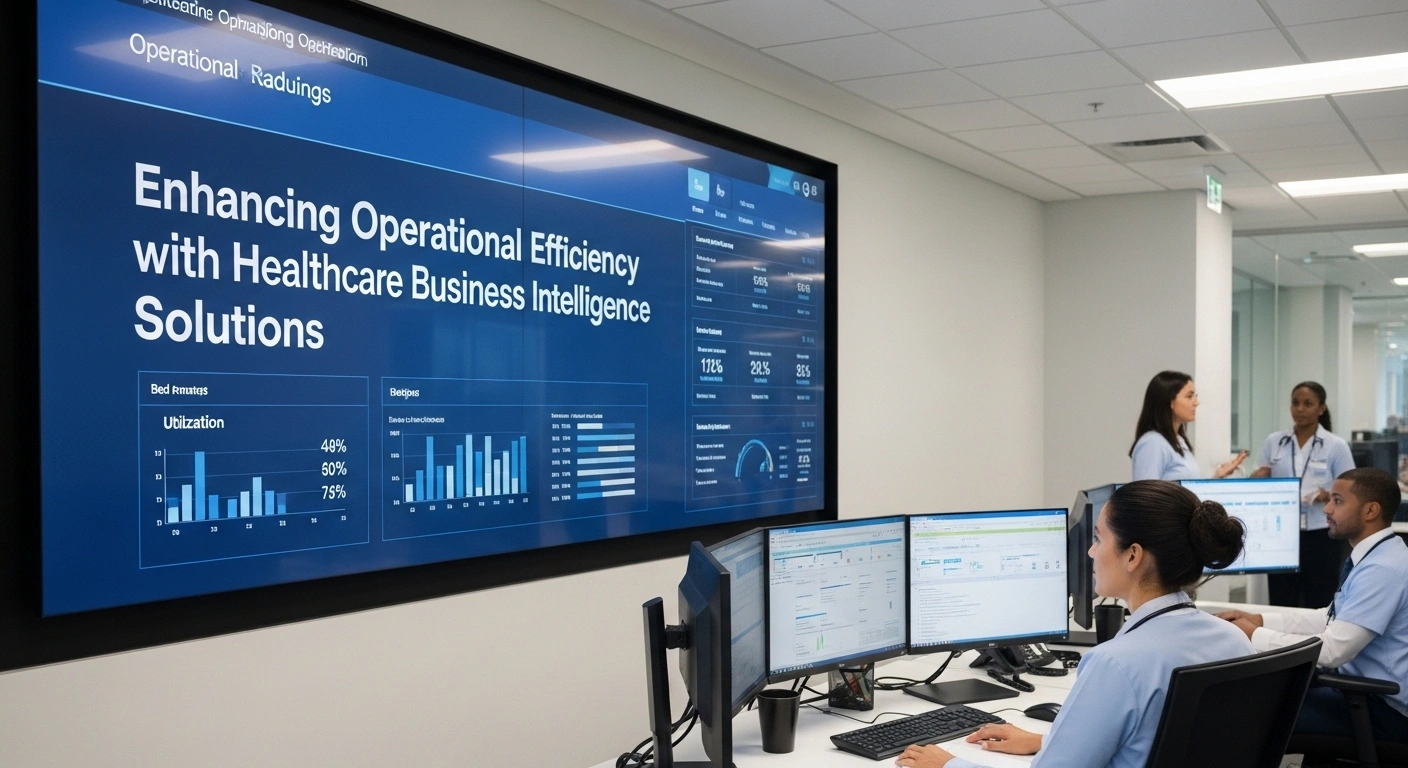
Enhancing Operational Efficiency with Healthcare Business Intelligence Solutions
Analyzing complex clinical, operational, and financial datasets strengthens organizational visibility and positions Custom BI Solutions for healthcare as a central mechanism for improving coordination across departments, thereby enabling hospitals and care networks to reduce inefficiencies that affect patient flow and treatment timelines. Consequently, integrating data from electronic health records, scheduling platforms, and supply chain systems reveals workflow bottlenecks and service gaps that previously limited performance transparency, while aligning these insights with strategic objectives connects operational metrics directly to measurable improvements in patient safety, timeliness of care, and overall satisfaction.
Leveraging predictive analytics and real-time monitoring capabilities expands the impact of Custom BI Solutions for healthcare by enabling proactive identification of emerging operational pressures such as admission surges or discharge delays, which strengthens institutional responsiveness to fluctuating demand. As a result, administrators respond dynamically to variations in service utilization while minimizing disruptions to clinical operations, and correlating operational indicators with patient outcomes demonstrates that efficiency improvements contribute simultaneously to cost control and measurable enhancements in quality of care.
Consolidating fragmented information into unified dashboards enhances communication between clinical and administrative teams and ensures consistent performance data across the organization, thereby supporting coordinated decision-making. In turn, shared visibility fosters collaborative problem-solving and data-informed management practices that reinforce sustainable operational excellence, while embedding Custom BI Solutions for healthcare into daily governance structures cultivates a culture of continuous improvement that advances institutional performance and patient-centered outcomes.
Optimizing Hospital Resource Allocation with BI Analytics
Integrating historical utilization data with predictive modeling tools enables healthcare organizations to anticipate demand patterns and distribute resources more effectively through Custom BI Solutions for healthcare, thereby reducing strain on critical departments. Consequently, analyzing admission rates, seasonal variations, and service line performance informs the allocation of beds, diagnostic equipment, and clinical staff according to projected needs, while aligning resource distribution with patient acuity levels improves continuity of care and decreases avoidable treatment delays.
Applying advanced analytics to operational data enhances visibility into facility usage, equipment deployment, and personnel allocation across departments, which supports evidence-based adjustments to capacity planning. As a result, healthcare systems rebalance workloads and reduce underutilization or overcrowding in specific units, and linking allocation strategies to outcome metrics ensures that optimization efforts remain focused on improving recovery times and limiting preventable complications.
Embedding Custom BI Solutions for healthcare within resource management frameworks strengthens long-term planning by connecting capital investment decisions to measurable performance indicators. Therefore, procurement strategies, infrastructure development, and technology investments are evaluated against projected patient demand and financial sustainability, while coordinated resource allocation supported by actionable insights enhances operational resilience and reinforces the delivery of timely, high-quality care.
Financial Performance Monitoring Through Custom Healthcare Dashboards
Aggregating revenue, expenditure, and service utilization data into centralized reporting environments enhances financial transparency and supports accurate oversight through Custom BI Solutions for healthcare. Consequently, finance teams monitor reimbursement trends, payer mix fluctuations, and departmental profitability in near real time, while visualizing these metrics alongside clinical activity clarifies how care delivery patterns influence financial stability.
Linking financial dashboards with operational indicators strengthens strategic planning by clarifying relationships between staffing levels, supply consumption, and revenue generation. As a result, organizations identify cost drivers and evaluate the financial implications of expanding or restructuring service lines, while correlating budget performance with quality indicators ensures that cost-containment measures remain aligned with patient outcome objectives.
Integrating automated reporting tools within Custom BI Solutions for healthcare reduces reliance on manual data consolidation and improves the accuracy of forecasting models. Therefore, healthcare executives assess liquidity, monitor regulatory compliance, and prepare for value-based reimbursement frameworks with greater confidence, while sustained visibility into financial performance supports informed investment decisions that preserve care quality and organizational stability.
Streamlining Revenue Cycle Management Using Healthcare Data Insights
Connecting billing, coding, claims processing, and reimbursement data within unified analytics platforms enhances transparency across the revenue cycle and positions Custom BI Solutions for healthcare as a critical driver of financial optimization. Consequently, identifying patterns in claim denials, delayed payments, and documentation inconsistencies enables targeted corrective actions that reduce revenue leakage, while integrating these insights into operational workflows strengthens coordination between clinical documentation and billing functions.
Applying predictive analytics to historical claims data supports early detection of high-risk submissions and improves the precision of reimbursement forecasting. As a result, healthcare organizations reduce days in accounts receivable and stabilize cash flow performance, while linking payer contract analytics with service utilization trends informs negotiation strategies and aligns reimbursement structures with the complexity of delivered care.
Embedding Custom BI Solutions for healthcare into revenue cycle management frameworks promotes continuous monitoring of key metrics such as collection rates and clean claim percentages. Therefore, organizations track incremental performance improvements and refine financial counseling approaches that mitigate patient payment barriers, while comprehensive use of healthcare data insights reinforces financial resilience and sustains the continuity of care delivery.
Workforce Planning and Staffing Optimization with BI Reporting
Analyzing staffing levels, patient volumes, and skill mix distribution through integrated reporting systems enhances workforce visibility and advances Custom BI Solutions for healthcare as a foundation for balanced staffing strategies. Consequently, correlating patient acuity trends with scheduling data supports precise alignment of personnel resources with clinical demand, while identifying workload disparities across departments reduces burnout risks and sustains consistent care standards.
Evaluating overtime utilization, absenteeism rates, and turnover metrics within BI dashboards strengthens human resource planning by revealing inefficiencies that influence both cost and quality outcomes. As a result, administrators adjust recruitment strategies and training initiatives according to measurable service requirements, while linking staffing indicators to patient outcome metrics ensures that workforce decisions prioritize safety, responsiveness, and continuity of care.
Integrating workforce analytics into Custom BI Solutions for healthcare supports long-term strategic planning by connecting labor investments with operational and financial performance indicators. Therefore, organizations assess the sustainability of staffing models under evolving regulatory and reimbursement environments, while data-driven workforce optimization enhances employee engagement and reinforces improved patient outcomes.
Tracking Key Performance Indicators (KPIs) in Healthcare Organizations
Defining clinical, operational, and financial KPIs within structured analytics frameworks strengthens organizational accountability and enhances the strategic value of Custom BI Solutions for healthcare. Consequently, monitoring metrics such as readmission rates, length of stay, and patient satisfaction scores establishes measurable benchmarks for evaluating care quality, while integrating these indicators into unified reporting systems ensures consistent performance assessment across departments.
Aligning KPI tracking with organizational objectives clarifies performance expectations and facilitates timely identification of deviations from established standards. As a result, leadership teams analyze root causes of performance gaps and implement evidence-based adjustments that improve service delivery, while integrating predictive analytics into KPI dashboards supports proactive performance management.
Embedding KPI monitoring within Custom BI Solutions for healthcare fosters a culture of continuous improvement through reinforced transparency and shared accountability. Therefore, interdisciplinary teams access actionable insights that connect daily operational decisions with long-term strategic priorities, while systematic performance measurement strengthens the capacity to deliver high-quality, patient-centered care alongside sustained operational and financial stability.
Are Custom BI Solutions for Healthcare Secure, Scalable, and Future-Ready?
Addressing the growing complexity of clinical and operational data, Custom BI Solutions for healthcare provide an integrated analytics framework that strengthens strategic and clinical decision-making across healthcare organizations. Furthermore, alignment of data insights with established care pathways enables providers to identify performance gaps and intervene earlier in the treatment cycle, thereby supporting measurable improvements in safety and quality. Moreover, consolidation of information from electronic health records, laboratory systems, imaging platforms, and administrative databases improves data consistency and reliability across the enterprise. As healthcare organizations pursue value-based care models, integration of analytics into daily workflows supports measurable gains in efficiency, coordination, and patient satisfaction. Consequently, integration of Custom BI Solutions for healthcare into institutional strategy contributes directly to improved patient outcomes and sustainable performance improvement.
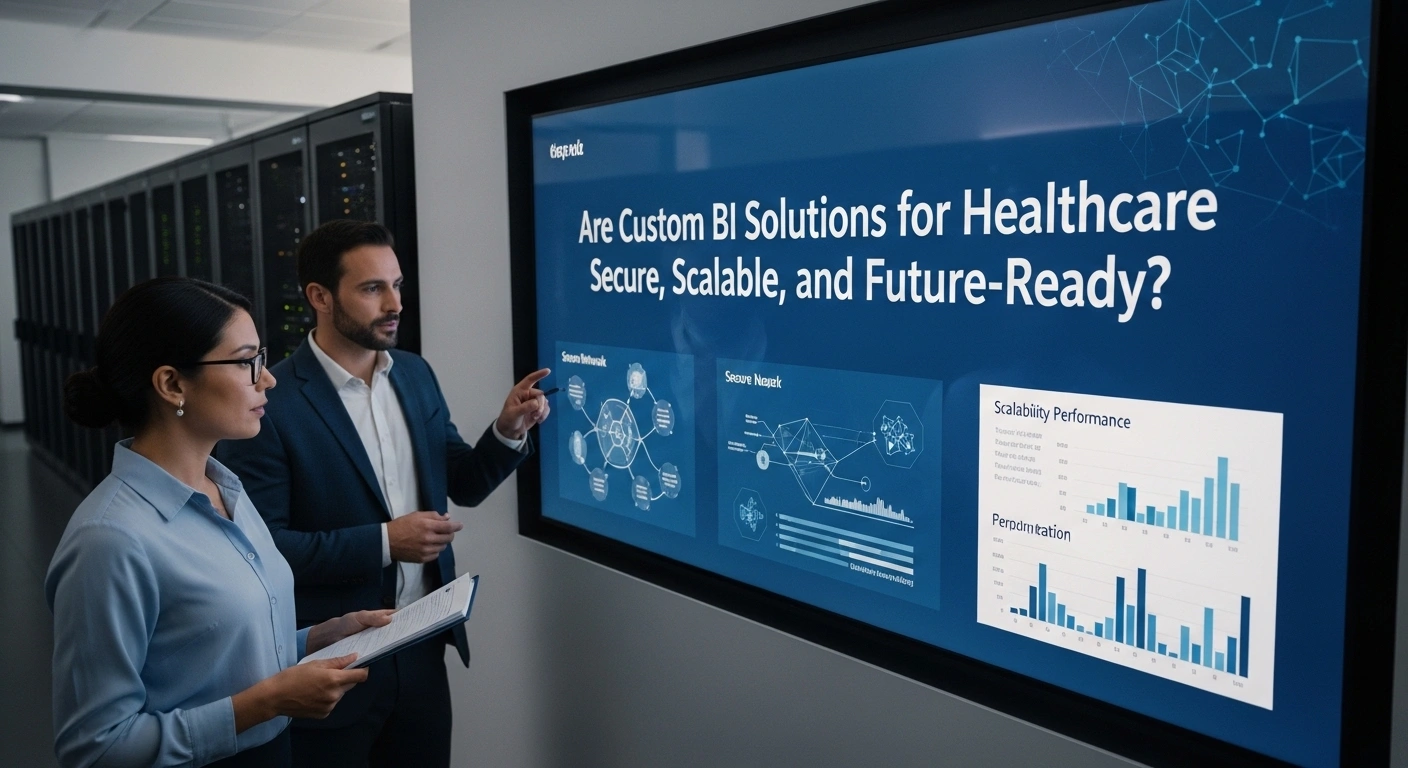
Robust security and governance mechanisms ensure that sensitive medical data remain protected while accessible to authorized stakeholders within clearly defined parameters. In addition, incorporation of standardized interoperability protocols such as HL7 and FHIR enhances secure data exchange across internal platforms and external partner networks. Meanwhile, integration of real-time dashboards with predictive analytics enables care teams to anticipate patient risks rather than respond after complications arise, thereby reducing preventable adverse events. As regulatory environments continue to evolve, adaptation of compliance frameworks within Custom BI Solutions for healthcare supports long-term operational stability and accountability. Therefore, a combination of structured governance and advanced analytics creates a balanced environment in which innovation aligns with regulatory and ethical obligations.
Continuous expansion of technological capabilities positions Custom BI Solutions for healthcare as future-ready infrastructures capable of adapting to emerging clinical, operational, and technological demands. Moreover, support for modular architectures allows healthcare organizations to incorporate artificial intelligence, remote monitoring systems, and advanced data sources without disrupting core operations. As patient populations grow and diversify, scalable systems maintain performance stability under increasing data volumes and complexity. Consequently, a focus on flexibility and resilience ensures that analytics platforms remain aligned with long-term clinical priorities and organizational objectives. Ultimately, reinforcement of security, scalability, and adaptability enables Custom BI Solutions for healthcare to sustain continuous improvement in care delivery and institutional performance.
Ensuring Healthcare Data Security and HIPAA Compliance in BI Systems
Protection of patient information remains central to the credibility and effectiveness of Custom BI Solutions for healthcare in highly regulated environments. Consequently, application of robust encryption protocols to data at rest and in transit reduces exposure to unauthorized access, data breaches, and cyber threats. In addition, implementation of role-based access controls and identity management systems limits information visibility according to clearly defined professional responsibilities within clinical and administrative teams. As privacy regulations such as HIPAA and HITECH establish strict compliance standards, integration of regulatory safeguards into BI architectures strengthens institutional accountability and legal conformity. Therefore, comprehensive governance policies support operational transparency while reinforcing patient trust.
Ongoing monitoring of system activity enhances the resilience of Custom BI Solutions for healthcare against evolving cybersecurity risks and emerging threat vectors. Moreover, activation of automated audit trails records access patterns and helps identify anomalies that may indicate potential security incidents. Meanwhile, routine vulnerability assessments and penetration testing reveal system weaknesses before exploitation occurs, thereby reducing institutional risk exposure. As healthcare data exchanges expand across digital ecosystems, protection of application programming interfaces and third-party integrations becomes increasingly critical to maintaining system integrity. Consequently, continuous monitoring and proactive risk management reinforce the reliability and stability of healthcare analytics platforms.
Establishment of disaster recovery and backup mechanisms ensures continuity of care even during technical disruptions, cyber incidents, or infrastructure failures. Furthermore, maintenance of redundant data storage environments protects critical patient records from permanent loss and supports rapid system restoration. As organizations increasingly rely on interconnected systems, integration of structured incident response protocols within Custom BI Solutions for healthcare minimizes downtime and operational disruption. In addition, alignment of cybersecurity investments with enterprise risk management strategies promotes long-term sustainability and resilience. Ultimately, strengthened compliance and security frameworks safeguard patient confidentiality while enabling data-driven improvements in healthcare quality and safety.
Scalable Cloud-Based BI Solutions for Healthcare Organizations
Adaptation to fluctuating patient volumes and expanding datasets requires flexible infrastructures supported by Custom BI Solutions for healthcare. Consequently, utilization of cloud-based environments allows healthcare providers to scale computing power and storage capacity without substantial upfront capital investment. Moreover, implementation of elastic resource allocation ensures that analytics performance remains stable during peak demand periods, including seasonal surges and public health emergencies. As healthcare networks integrate telehealth platforms, wearable devices, and remote monitoring technologies, scalable architectures support continuous data ingestion and timely analysis. Therefore, cloud-enabled platforms enhance operational agility while sustaining high standards of patient-centered care.
Integration of hybrid and multi-cloud strategies further strengthens the scalability and resilience of Custom BI Solutions for healthcare across diverse operational settings. In addition, distribution of workloads across secure cloud environments reduces system congestion and improves redundancy in the event of localized failures. Meanwhile, automation of updates and centralized management tools streamlines maintenance processes while minimizing disruption to clinical workflows. As healthcare organizations expand geographically through mergers, acquisitions, or network growth, cloud-based analytics platforms facilitate standardized reporting and performance benchmarking across multiple facilities. Consequently, centralized yet adaptable infrastructures promote consistent measurement, coordinated oversight, and data-driven decision-making.
Alignment of cost structures with actual usage patterns contributes to sustainable financial management within Custom BI Solutions for healthcare. Furthermore, adoption of consumption-based pricing models improves budget predictability and supports strategic allocation of technological resources. As regulatory requirements and clinical technologies evolve, scalable systems accommodate upgrades and integrations without extensive system reconstruction. In addition, integration of advanced analytics engines within cloud ecosystems enhances real-time data processing capabilities and supports complex modeling at scale. Ultimately, scalable cloud-based architectures ensure that healthcare organizations remain prepared to meet future clinical and operational demands while maintaining efficiency and quality standards.
Implementing AI and Machine Learning in Healthcare Business Intelligence
Enhancement of analytical depth through artificial intelligence significantly expands the capabilities of Custom BI Solutions for healthcare in both clinical and operational domains. Consequently, application of predictive algorithms to historical and real-time data enables earlier identification of high-risk patients and supports targeted preventive interventions. Moreover, utilization of machine learning models reduces hospital readmissions and complications by identifying patterns associated with adverse outcomes. As healthcare systems pursue precision medicine initiatives, integration of advanced analytics refines treatment recommendations based on individual patient characteristics and longitudinal data trends. Therefore, incorporation of intelligent technologies strengthens the clinical effectiveness and strategic value of healthcare analytics platforms.
Extraction of insights from unstructured data broadens the scope and utility of Custom BI Solutions for healthcare. In addition, application of natural language processing to clinical notes, discharge summaries, and diagnostic reports enhances data completeness and contextual interpretation. Meanwhile, deployment of anomaly detection models assists in identifying irregularities within imaging studies, laboratory results, and monitoring systems, thereby supporting earlier clinical intervention. As operational efficiency remains a priority, machine learning models also improve forecasting for staffing levels, bed utilization, and resource allocation. Consequently, integration of structured and unstructured data analytics fosters comprehensive decision support across clinical and administrative functions.
Improvement of transparency and trust in automated analytics supports sustainable adoption among healthcare professionals. Furthermore, integration of explainable artificial intelligence frameworks clarifies how predictive outputs are generated within Custom BI Solutions for healthcare and facilitates informed clinical validation. As clinicians gain confidence in algorithm-driven insights, collaboration between data scientists and care providers strengthens interdisciplinary alignment. In addition, incorporation of AI-driven dashboards into routine clinical workflows accelerates informed decision-making during time-sensitive scenarios. Ultimately, implementation of artificial intelligence and machine learning within healthcare BI systems advances measurable improvements in patient safety, treatment effectiveness, and operational performance.
Customizable Reporting Tools for Multi-Department Healthcare Needs
Accommodation of diverse operational requirements necessitates adaptable reporting mechanisms within Custom BI Solutions for healthcare. Consequently, customization of dashboards to the specific needs of clinicians, administrators, and financial managers enhances relevance, clarity, and usability. Moreover, presentation of role-based performance indicators reduces information overload while preserving access to critical metrics aligned with departmental objectives. As departments rely on accurate and timely data to guide strategic initiatives, customizable reporting strengthens alignment across organizational units. Therefore, flexible analytics tools promote coordinated decision-making that supports improved patient outcomes and institutional accountability.
Facilitation of interactive data exploration increases engagement with Custom BI Solutions for healthcare across multiple departments. In addition, incorporation of drill-down capabilities allows stakeholders to move from high-level summary metrics to detailed patient-level or process-specific information. Meanwhile, synchronization of data sources across departments eliminates discrepancies in reported performance indicators and ensures consistency in key metrics. As organizations prioritize transparency and timeliness, automated report scheduling ensures regular access to updated insights without manual intervention. Consequently, seamless information sharing strengthens collaboration between clinical, operational, and financial teams.
Support for regulatory compliance and quality improvement initiatives depends on adaptable reporting systems embedded within Custom BI Solutions for healthcare. Furthermore, generation of structured reports for accreditation bodies and government agencies streamlines compliance processes and reduces administrative burden. As healthcare institutions expand service lines and performance benchmarks evolve, flexible reporting tools accommodate new metrics and indicators without disrupting established workflows. In addition, integration of advanced visualization features enhances comprehension of complex datasets and supports evidence-based discussion among stakeholders. Ultimately, customizable reporting fosters clarity, accountability, and sustained improvements in care delivery and organizational performance.
Measuring ROI of Custom BI Solutions in Healthcare Settings
Evaluation of financial and clinical performance provides essential insight into the value generated by Custom BI Solutions for healthcare in complex care environments. Consequently, analysis of reductions in readmission rates and average length of stay demonstrates measurable improvements in patient outcomes and care efficiency. Moreover, assessment of declines in medical errors and adverse events reflects enhanced clinical quality supported by data-driven decision-making processes. As healthcare systems transition toward value-based reimbursement models, linkage of analytics investments to outcome metrics strengthens strategic justification and accountability. Therefore, measurable clinical improvements highlight the tangible impact of advanced BI platforms on patient safety and institutional performance.
Examination of operational efficiency gains further clarifies the return generated by Custom BI Solutions for healthcare. In addition, monitoring of optimized staffing patterns, improved bed utilization, and streamlined supply chain processes reveals significant cost-saving benefits. Meanwhile, tracking of revenue cycle improvements such as faster claims processing, reduced denial rates, and improved billing accuracy supports financial sustainability. As organizations compare performance metrics before and after implementation, quantifiable data provide objective evidence of operational transformation. Consequently, comprehensive evaluation frameworks capture both direct financial returns and broader efficiency gains.
Incorporation of qualitative assessments complements quantitative ROI measurements associated with Custom BI Solutions for healthcare. Furthermore, collection of structured feedback from clinicians and administrators highlights improvements in workflow efficiency, decision confidence, and interdisciplinary communication. As patient satisfaction scores reflect enhanced coordination and timely service delivery, analytics investments demonstrate broader organizational value beyond immediate cost metrics. In addition, alignment of ROI analysis with long-term strategic goals reinforces sustained commitment to innovation and quality improvement. Ultimately, measurement of financial, operational, and clinical outcomes confirms the critical role of healthcare analytics in advancing patient-centered excellence and sustainable growth.
Custom BI solutions for healthcare serve as strategic enablers that connect clinical intelligence, operational efficiency, financial oversight, and regulatory compliance within a unified framework. By integrating real-time analytics, predictive insights, interoperable systems, and secure data governance structures, healthcare organizations move beyond retrospective reporting toward proactive, patient-centered decision-making. From reducing readmissions and enhancing patient safety to optimizing staffing and supporting value-based reimbursement, these solutions translate complex data into measurable improvements across the care continuum. Ultimately, organizations committed to Improving Patient Outcomes with Custom BI Solutions for Healthcare position themselves to deliver higher-quality care, strengthen financial sustainability, and build resilient, future-ready healthcare ecosystems.